From Anxious to Anchored: Helping Pupils Thrive Through Movement and Breath
The Power of Nasal Breathing for Pupil Wellbeing and Focus
At Movement Snax, we use simple, science-backed strategies to help pupils feel calm, focused, and ready to learn — and nasal breathing is one of the most powerful tools we teach.
Breathing through the nose supports emotional regulation, improves oxygen flow, and helps the body respond better to stress. When combined with purposeful movement activities like breath hold walks and short sprints, pupils learn to stay in control of their body and emotions — even in high-energy moments.
Inspired by techniques from The Oxygen Advantage by Patrick McKeown, we also explore how breath awareness and improved CO₂ tolerance can help reduce anxiety, support behaviour, and build resilience in the classroom.
These breathing strategies are simple to teach, easy to integrate into the school day, and make a big impact on readiness to learn.
Better breathing = better behaviour = better learning.
Step 1 l Breathe Through Your Nose
Why Nasal Breathing Matters in Movement Snax
Teaching pupils to breathe through their nose isn’t just a wellness trend — it’s a powerful tool for improving focus, behaviour, and physical wellbeing.
Here are three reasons we encourage nasal breathing in every Movement Snax session:
Cleaner, Calmer Breathing
The nose filters and warms the air, protecting the lungs and making breathing smoother and more efficient — ideal for anxious or dysregulated pupils.
Deeper, More Controlled Breaths
Nasal breathing naturally activates the diaphragm, helping pupils slow down their breathing, regulate emotions, and feel more in control.
Better Oxygen and Blood Flow
Nose breathing boosts nitric oxide levels in the body, which improves blood circulation and energy — helping children stay alert and ready to learn.
Next, we explore how holding your breath during walking or gentle movement helps build confidence, calm the nervous system, and improve CO₂ tolerance — a key skill for physical and emotional resilience.
The Science of Breath Holds
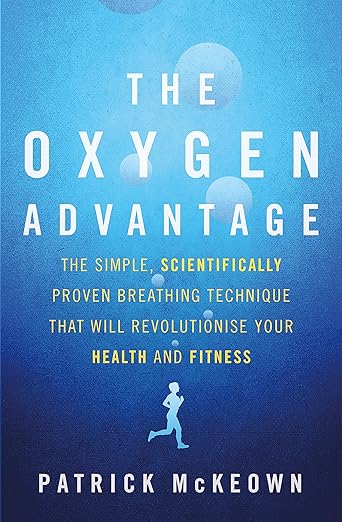
Further reading : The Oxygen Advantage, Patrick McKeown combines his successful breathing exercises with techniques designed to simulate high-altitude training. Whether you are a habitual couch potato or an Ironman triathlon champion.
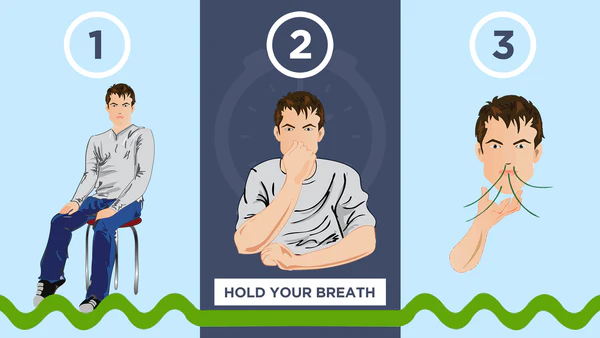
Breath hold exercises have been gaining popularity for their unique benefits to overall fitness and resilience. This three step process can help to improve performance, reduce fatigue, reduce breathlessness, improve sleep as well as reduce anxiety and stress.
Breath hold exercises involve intentionally pausing your breath for specific durations during physical activity. This practice has several physiological benefits:
Improved Oxygen Utilisation: By temporarily limiting oxygen intake, your body becomes more efficient at utilising the oxygen it has.
Increased CO2 Tolerance: Regular practice increases your body's tolerance to carbon dioxide, which can enhance endurance and reduce breathlessness.
Enhanced EPO Production: Breath holds can stimulate the production of erythropoietin (EPO), a hormone that promotes red blood cell production, improving oxygen transport in the body.
Step 2 l Breath Hold Walks
Breath hold walks offer impressive benefits such as enhanced cardiovascular fitness, improved lung capacity, and strengthened respiratory muscles.
What is an breath hold/apnea walk? An apnea walk is a training exercise used to develop higher tolerances to carbon dioxide. It also increases comfort when working through contractions
By performing apnea walks, you improve your breath-hold because while moving, your body produces more CO2 and other waste products than it does when merely holding your breath. The more you expose your body to these factors, the higher your tolerance will build before making you uncomfortable. Your body will learn to deal with the elevated levels of CO2 more efficiently.
These walks stimulate the production of red blood cells and increase oxygen efficiency in the body, leading to better endurance and overall physical performance. Additionally, they promote mindfulness and stress reduction by fostering a deeper connection with breathing patterns and bodily sensations. This holistic approach supports both physical health and mental well-being, making it a valuable addition to wellness routines.
How to:
=Walk at an easy pace (preferably barefoot in nature) and bring your focus to your breathing
Keep the lips lightly touching and tip of the tongue gently resting in the ridge behind the top front teeth
=Be aware of soft, easy, rhythmical, deep (but not big) breathing
=Allow you breathing to happen rather than do anything
=Bring a sense of calmness throughout the whole body
=Now, after 1-3 minutes of walking take a normal breath in and normal breath out, pinch your nose and pause the breath and walk until you feel a medium air huger
=Count your steps, exhale through your nose and breathe light and easy in and out through the nose for 30 seconds
=Once the breath has fully recovered (it shouldn’t take too long, perhaps 10 steps),
=pinch and pause again for as many steps as comfortable
=Repeat pausing (or holding) the breath for steps for about 10 minutes-12 minutes
Aim to gradually increase the reps over time.
Use this a warm up or cool down to increase oxygen and nutrient availability, ideal for priming the body prior to training or setting the stage for recovery.
Step 3 l Breath Hold Sprints [Advanced Technique]
Breath hold sprints are more advanced method for enhancing cardiovascular fitness and respiratory efficiency. By incorporating breath holds during high-intensity sprints, you challenge your body to improve its oxygen utilisation and overall endurance. This practice stimulates the production of red blood cells, which enhances oxygen delivery to muscles and organs, thereby improving athletic performance.
Breath hold sprints also help strengthen respiratory muscles and increase lung capacity, crucial for sustained physical exertion. Moreover, they promote mental resilience and focus, as practitioners learn to manage breath control under stress.
Prepare: Start with a RAMP warm up focusing on nasal breathing.
Exhale and Sprint: Breathe in through your nose, fully exhale and sprint for a set distance or time, 4-6 seconds.
Release and Recover: Release the breath and slow down to a jog or walk, breathing normally through your nose to recover.
Repeat: Once recovered, repeat the breath hold sprint. As with walks, gradually increase the breath reps and duration.
Building CO2 Tolerance
CO2 tolerance is the ability of the body to cope with higher levels of carbon dioxide. This is crucial for improving endurance and reducing breathlessness during physical activity. Breath hold exercises help in the following ways:
Adaptation: Regular breath holds train the body to adapt to elevated CO2 levels, improving overall tolerance.
Reduced Breathlessness: Enhanced CO2 tolerance can delay the onset of breathlessness during high-intensity activities.
Improved Mental Resilience: Breath holds can also train mental resilience, helping you stay calm and focused under stress.
Step 4 l Mouth Taping
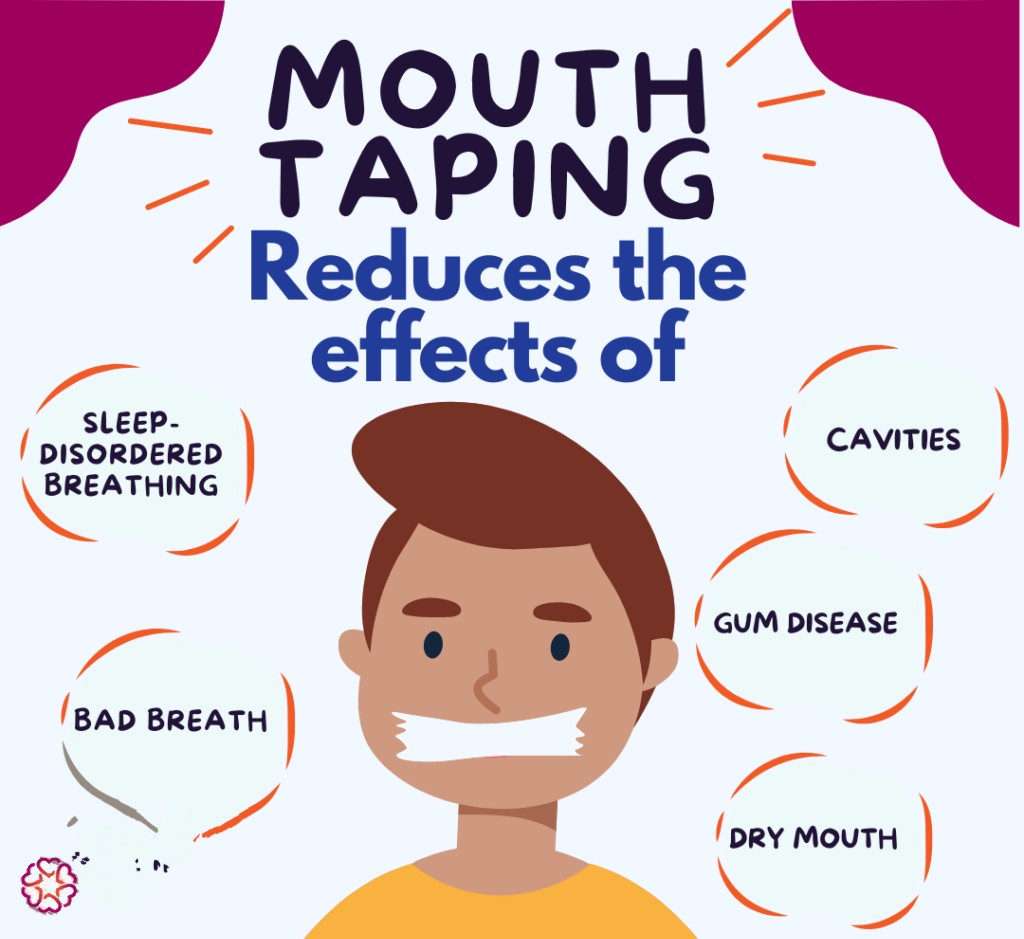
Mouth taping before bed is a simple technique that encourages nasal breathing during sleep by keeping the mouth closed. Here several benefits of this practice:
Improved Sleep Quality: Nasal breathing during sleep can lead to deeper, more restorative sleep by promoting better oxygenation and reducing snoring.
Reduced Snoring and Sleep Apnoea: Keeping the mouth closed can minimise snoring and reduce the severity of sleep apnoea by preventing airway collapse.
Enhanced Nitric Oxide Production: Nasal breathing boosts nitric oxide levels, which helps improve cardiovascular health and immune function.
Better Oral Health: Mouth taping can prevent dry mouth and reduce the risk of dental issues such as cavities and gum disease.
Increased CO2 Tolerance: Encouraging nasal breathing during sleep can enhance CO2 tolerance over time, contributing to better breathing efficiency and endurance during waking hours.
Practical Tips for Mouth Taping
=Use Gentle Tape: Choose a hypoallergenic, medical-grade tape designed for skin to avoid irritation.
=Test During the Day: If you're new to mouth taping, start by wearing the tape for short periods during the day to get used to the sensation.
=-Consult a Professional: If you have sleep apnoea or other respiratory conditions, consult with a healthcare professional before trying mouth taping
Practical Tips for Mouth Taping
=Use Gentle Tape: Choose a hypoallergenic, medical-grade tape designed for skin to avoid irritation.
=Test During the Day: If you're new to mouth taping, start by wearing the tape for short periods during the day to get used to the sensation.
=-Consult a Professional: If you have sleep apnoea or other respiratory conditions, consult with a healthcare professional before trying mouth taping
Affordable Option
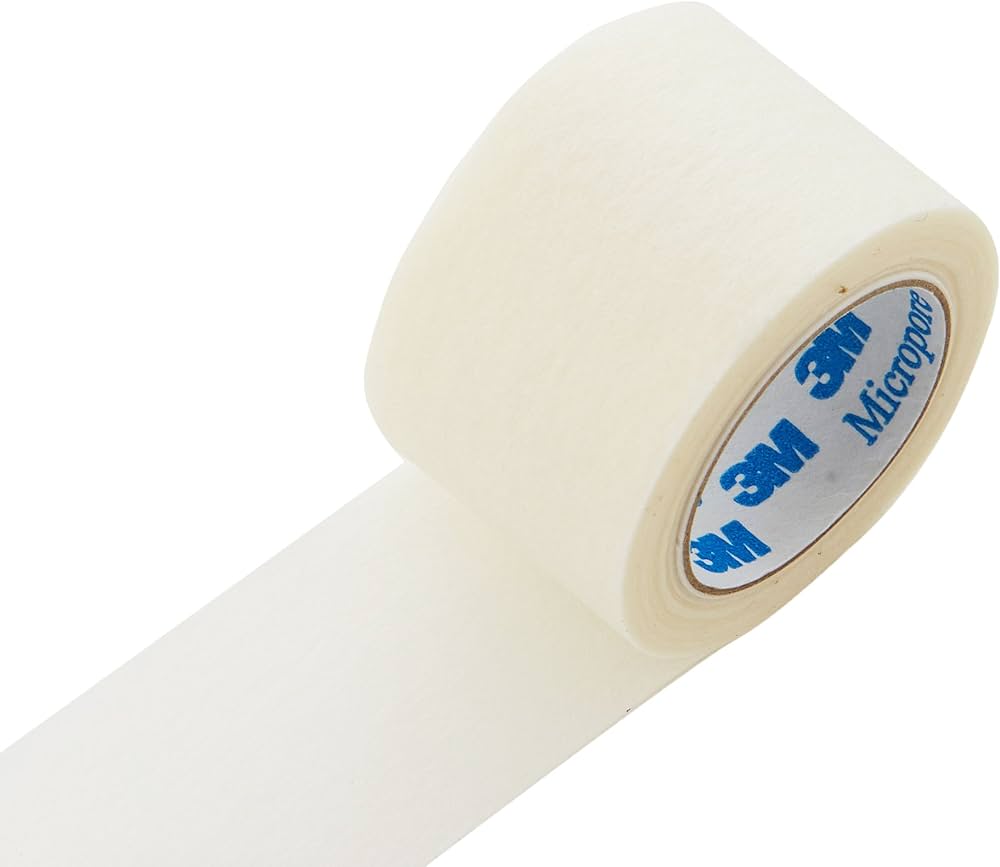
You don’t need to spend money on fancy tape. A 2.5x5m roll of micropore surgical tape works perfectly.
Simply place the tape horizontally across your lips, with your lips pursed and pulled in.
I usually pull off around 4 inches of tape and tape it to my headboard until I'm feeling relaxed, drozy and ready fall asleep. I then place it on my lips as mentioned above.
Available at Amazon here: https://www.amazon.co.uk/gp/buyagain/search/?q=Tape&ref_=pd_bap_m_srh
Embrace the Power of Breath at Movement Snax
At Movement Snax, we understand that movement is not just physical — it’s emotional, sensory, and deeply connected to wellbeing. For pupils experiencing anxiety or struggling with emotional regulation, simple breathing techniques paired with purposeful movement can make a powerful difference.
Through nasal breathing, breath control activities, and calm movement breaks, students learn how to reset their nervous system, reduce overwhelm, and build emotional resilience. These strategies are woven into our sessions in a fun, accessible way — helping pupils feel safe, in control, and ready to re-engage with learning.
Drawing on approaches like the Oxygen Advantage and trauma-informed practices, Movement Snax supports every child’s right to feel calm, confident, and connected in their school day.
Breathing is the first step. Movement makes it stick.
Let’s help pupils move better, feel better, and thrive — one breath at a time.

About Movement Snax
Movement Snax